
You brush, you floss most nights, and nothing hurts, so you start to wonder how often you should visit the dentist at all. Then one morning a sip of iced coffee sends a jolt through a back tooth, and suddenly that checkup you skipped last spring doesn’t seem so optional.
Regular visits catch small problems before they turn into painful, expensive ones. At ProSmile Dental Implant Center, with offices in Phoenix and Scottsdale, our team offers implant, cosmetic, and oral surgery care under one roof, and we see every day what happens when checkups get skipped.
Why Regular Dental Visits Matter for Prevention
A dental visit isn’t just a cleaning. It’s a chance to spot cavities, gum disease, and even signs of oral cancer while they’re still small. A cavity found early is a simple filling. Found two years later, it can mean a root canal, a crown, or a missing tooth.
Think of it like changing the oil in your car. Nobody enjoys it, but it costs far less than a new engine. The same goes for your mouth: a routine exam and cleaning take an hour or so, while treating advanced decay or gum disease can take months and a lot more money.
Preventive care is the foundation of a healthy smile. Professional cleanings remove the hardened tartar your toothbrush can’t touch, and exams let your dentist compare your mouth from one visit to the next. That history is what makes it possible to catch slow changes, like a gum pocket that’s getting deeper or an old filling starting to crack.
The Dental Checkup Frequency Most People Need
So what’s the right dental checkup frequency? The standard recommendation is to see a dentist at least twice a year for cleanings and exams. That said, your schedule can change based on your health, your age, and risk factors like smoking, diabetes, or a history of gum disease.
Some people do fine with two visits a year. Others need to come in every three or four months, especially if their gums bleed easily or tartar builds up fast. Your dentist should tell you why they’re recommending a certain schedule, not just hand you an appointment card.
Children and seniors often benefit from more frequent visits. Kids may need extra fluoride treatments while their teeth are still developing, and seniors may need closer monitoring of their gums, dry mouth from medications, or older dental work. Understanding how often to visit the dentist helps you plan the appointments that keep your mouth healthy instead of reacting when something hurts.
Why Implant Dentistry Patients Have Unique Needs
If you have dental implants, regular follow-ups matter even more. The implant itself can’t get a cavity, but the gum and bone around it can still get inflamed. Implants require specific care that includes checking how the implant has fused with the jawbone and making sure the surrounding gums stay healthy.
At ProSmile Dental Implant Center, patients with ProSmile Full-Arch System restorations or other implant types get follow-up visits built around their specific treatment. A custom care plan covers things like how to clean under a full-arch bridge, how often to come in, and what early warning signs to watch for, so your investment in your smile stays protected.
Follow-Up Visits After Cosmetic and Oral Surgery
If you’ve had cosmetic work or oral surgery, you’ll have a follow-up schedule of your own. These visits let your dentist check how you’re healing and make sure the results look and feel right. Services like veneers and wisdom teeth removal usually come with specific check-in appointments to help recovery go smoothly.
After wisdom teeth removal, for example, a follow-up confirms the sockets are closing well and there’s no sign of infection. With veneers, regular evaluations help you notice wear, chips, or changes in your bite early, so your smile keeps looking good and working well for years.
When to Schedule Emergency Dental Visits
Not every visit can wait for your next checkup. Sudden tooth pain, a broken tooth, swelling in your face or jaw, or bleeding that won’t stop are signs you should see a dentist right away. ProSmile Dental Implant Center offers emergency dental care to help when something can’t wait.
If a tooth gets knocked out, pick it up by the top (not the root), rinse it gently, and try to keep it moist in milk while you get to the office. The faster you get seen, the better the chance of saving the tooth and avoiding a bigger problem.
What the Patient Experience Is Like at ProSmile
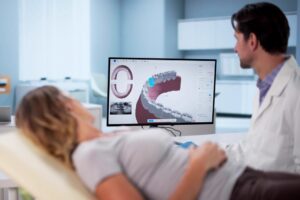
A visit to ProSmile Dental Implant Center is designed to feel as relaxed as possible. Advanced imaging helps our team plan your care accurately, and sedation options are available for longer procedures or for anyone who feels nervous in the chair, with an in-house anesthesiologist monitoring sedation.
At ProSmile, we encourage you to speak up about anything on your mind, whether it’s a fear of needles, a tooth that’s been bugging you, or questions about cost. Our team will adjust your care to your needs and preferences, and you’ll never be rushed into a decision.
Cost and Insurance Insights for Dental Checkups
It helps to understand what affects the cost of dental checkups and procedures so you can plan your budget. In general, the complexity of the treatment and the materials used have the biggest effect on cost. Dental insurance often covers basic preventive care, but the details vary a lot from plan to plan.
For implant procedures and other specialized treatments, check with your insurance provider about coverage ahead of time so there are no surprises. ProSmile Dental Implant Center offers flexible financing and clear, upfront pricing at your consultation, so you know where you stand before treatment begins.
FAQs About How Often You Should Visit the Dentist
How often should I visit the dentist?
The general recommendation is twice a year. Your dentist may suggest more frequent visits based on your gums, your history of cavities, or health conditions that affect your mouth.
Do implants require more checkups?
Implants need regular monitoring to make sure the implant stays stable and the gums and bone around it stay healthy. Your dentist will set a follow-up schedule based on the type of implant you have.
How does age influence my dental visits?
Children and seniors may need more frequent visits. Kids’ teeth and jaws are still developing, while older adults often deal with gum changes, dry mouth, or aging dental work that needs a closer eye.
What are signs I need an emergency visit?
Severe toothache, swelling, a cracked or knocked-out tooth, or bleeding that won’t stop are all reasons to call right away instead of waiting.
How do implants affect my dental checkup frequency?
After implant placement, check-ins are important to confirm the implant is fusing with the bone and to catch any complications early. Once you’ve healed, ongoing visits keep the implant and gums in good shape.
Making Dental Visits Part of Your Routine
It’s easy to put off the dentist when nothing hurts. But a regular visit is one of the simplest things you can do to keep your smile healthy, avoid emergencies, and protect any work you’ve already invested in.
If you’re in Phoenix or Scottsdale, schedule a personalized consultation at ProSmile Dental Implant Center. Whether you need a routine follow-up or a specialized implant treatment, ProSmile offers a full range of care, and our team will help you figure out how often you should visit the dentist.